A Claude plugin connected to Rohlik: why small agent workflows matter more than another chat
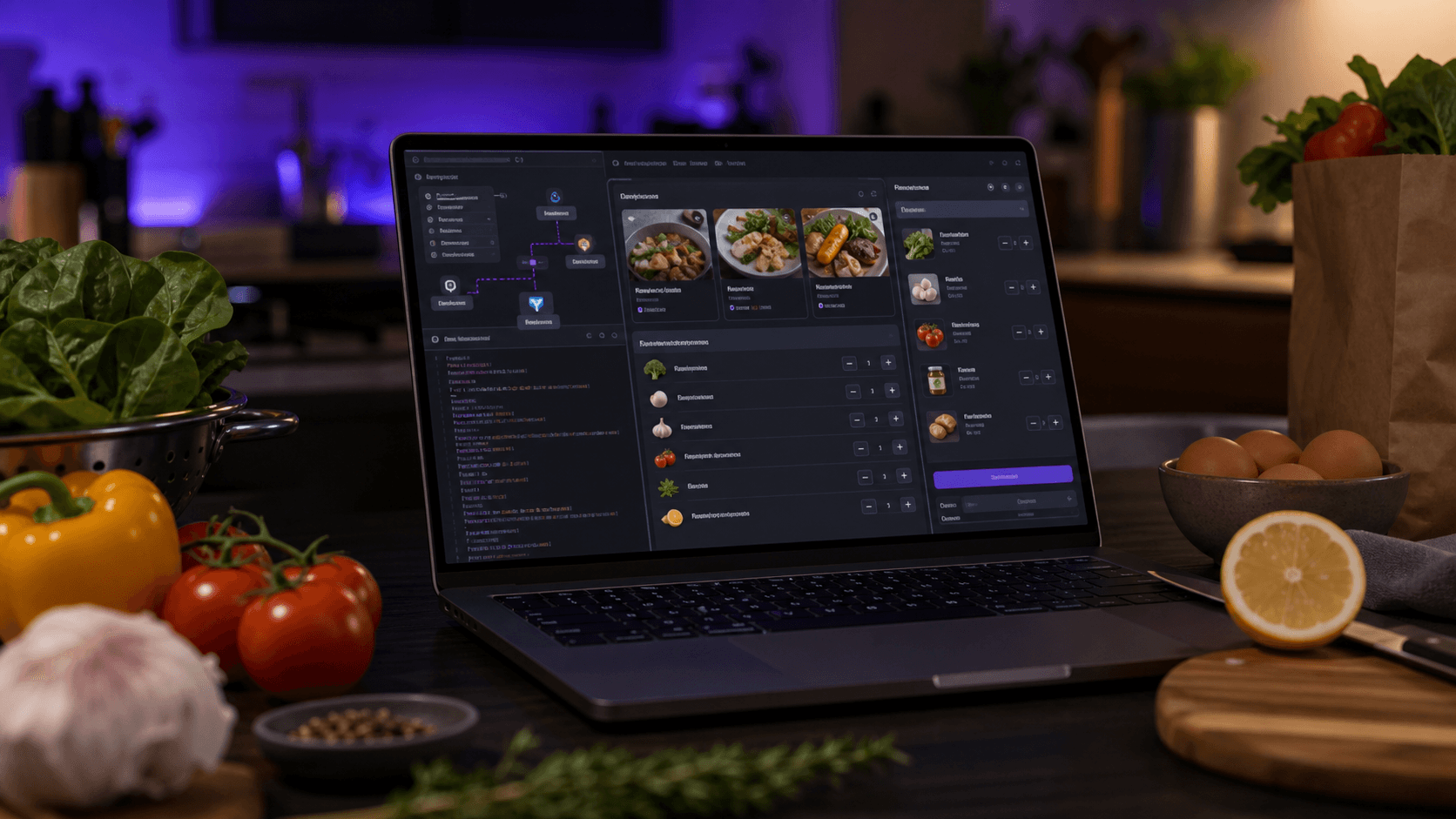
On 18 May 2026, AI s rozumem showed a practical example that is more important than another “ask the chatbot” demo: a Claude plugin connected through MCP to Rohlik. The user gives meal-planning goals, Claude proposes recipes, checks macros, and uses the connected tool to work with ingredients and a shopping cart.
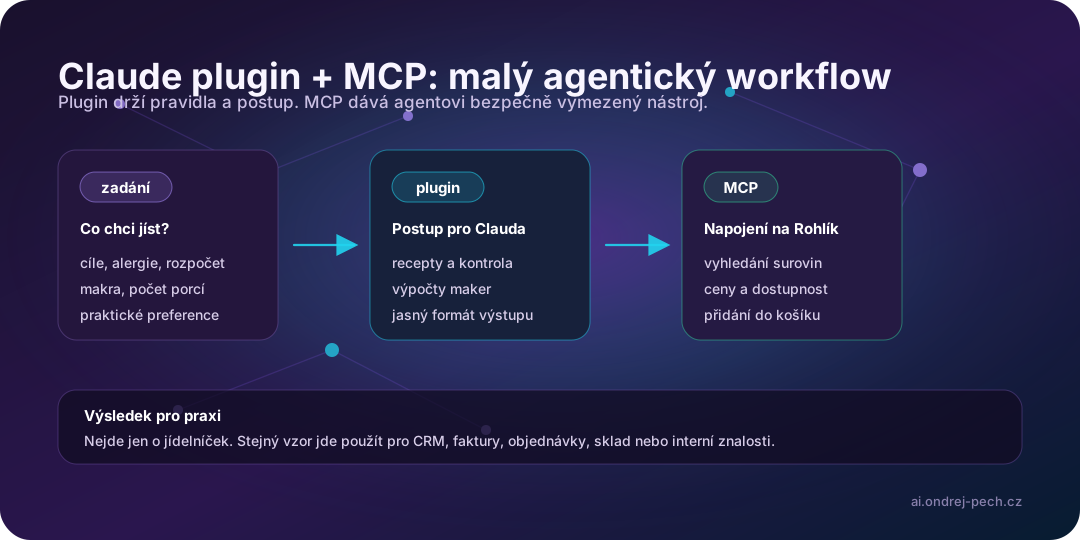
At first glance, this looks like a nice food-planning toy. In practice, it is a good pattern for business agents. The plugin does not only answer one question. It keeps the rules, the process and the expected output. MCP separates the model from the specific tool it is allowed to use.
Why a plugin is better than a long prompt
A long prompt works while it is in front of you. Once more people start using it, it quickly falls apart: one person skips a step, another describes the output format differently, someone connects a tool without rules.
A plugin or skill does something else. It packages instructions, context, conventions and sometimes tool access into one workflow. The user does not have to guide the agent from scratch every time.
For meal planning, that means:
- ask for goals, restrictions and preferences,
- propose recipes and portions,
- calculate macros,
- check ingredient availability,
- prepare cart items,
- keep final purchase approval with the human.
That is the difference between “AI gave me advice” and “AI helped me finish a task”.
MCP as the boundary between the agent and the world
Model Context Protocol is useful because it turns external tools into a clearly described interface. Claude does not have to know every internal API. It gets a server that tells it which actions exist and which data it may work with.
Claude Code’s official documentation describes MCP as a way to connect external tools, databases and APIs. This is not just a technical integration. It is a security and operations boundary.
An agent should not get unlimited access to an entire account. It should get specific capabilities:
- search products,
- read availability,
- propose a list,
- prepare a cart,
- but leave final ordering to a human.
The same applies outside food. In CRM, I do not want an agent deleting contacts without review. In invoicing, I do not want it sending payments without approval. In email, I do not want it to own my whole Gmail account when an isolated mailbox is enough.
Why the Rohlik example works
Meal planning is a strong test case because it combines personal preferences, structured data, calculations, product availability and a real-world action.
If it were only a recipe, chat would be enough. If it were only a shopping list, a note would be enough. The value appears when the agent connects planning with action while staying under control.
That same pattern transfers into companies:
- sales: prepare follow-up and check CRM,
- accounting: extract a document and propose accounting treatment,
- support: evaluate a ticket and draft a reply,
- warehouse: suggest an order based on minimum stock,
- marketing: create a brief and prepare publishing-plan inputs.
The principle is always the same: the plugin defines how work should happen, MCP provides a bounded tool, and the human approves expensive or risky steps.
How I would set it up in practice
I would start narrow. Not “an agent for all shopping”, but one scenario: a weekly meal plan for specific goals. Not “an agent for the whole CRM”, but one scenario: preparing follow-up after a meeting.
A good minimum design looks like this:
- the plugin describes roles, rules and steps,
- the MCP server exposes only necessary actions,
- the agent first proposes a plan,
- a human approves it,
- then the agent prepares changes in the external system,
- final sending, buying or deleting stays separate.
For internal tools, I would also log every step: what the agent proposed, which tool it called, what data came back and who approved the final action. Without that, agent workflows quickly become a black box.
Bottom line
This Claude plugin for meal planning is not important because the world needs another AI recipe helper. It is important as a small, understandable pattern.
The future of practical AI agents will not be only a better model. It will be packaged work: plugin, rules, tool, approval and logs. A small workflow like this is often a better start than the big ambition of building “one autonomous agent for everything”.
Sources: AI s rozumem: Vytvořil jsem Claude plugin na jídelníček napojený na Rohlík.cz, Claude Code: MCP, Claude Code: plugins, Model Context Protocol.